Forest Park Sewer Pros
CIPP Pipe Lining in Forest Park, OH
CIPP pipe lining in Forest Park, OH seals cracked clay pipe without digging. Cured-in-place liner installs in a day. Free estimates.
- 15+ Years local experience
- 500+ Projects completed
- Licensed & Insured
Serving Forest Park and nearby communities.
Forest Park's streets carry a lot of mature tree canopy left over from the original 1960s-70s subdivisions, and that canopy is exactly what pushes roots into old clay joints year after year. CIPP, cured-in-place pipe, is the fix that stops that cycle instead of just cutting the roots back.
The liner is a resin-saturated tube pulled or inverted into the existing pipe, then cured until it hardens into a smooth new interior wall. No excavation, no trench. Forest Park Sewer Pros runs a camera pass before and after to confirm the liner bonded cleanly.
What's included
What's included
- Camera prep pass — confirms the host pipe is a candidate for lining before anything is ordered.
- Liner saturation and install — resin-saturated liner sized to the exact pipe diameter and length.
- Curing — hot water, steam, or UV light depending on access and pipe condition.
- Reconnection cuts — any lateral branch connections are cut back open after the liner sets.
- Final camera pass — confirms a smooth, bonded interior before the job closes out.
- Optional — root-resistant resin additive for lines with a history of repeat intrusion.
- Customer prep — keep water use light on the day of install so the resin cures without interruption.
Want a clearer scope?
Get a Free EstimateHow it works
How our CIPP Pipe Lining process works
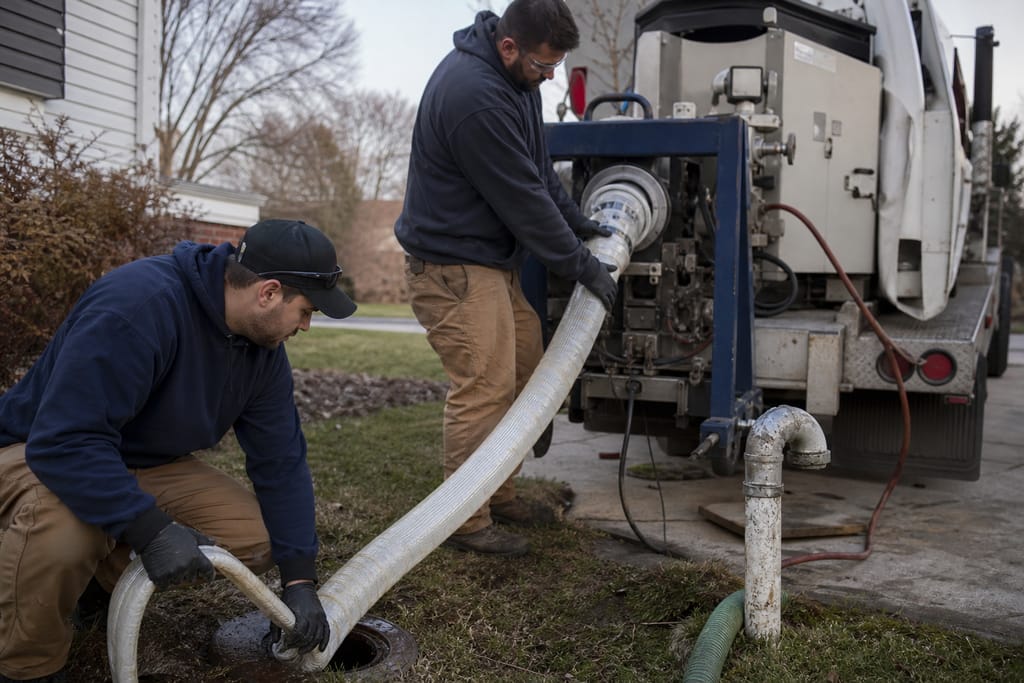
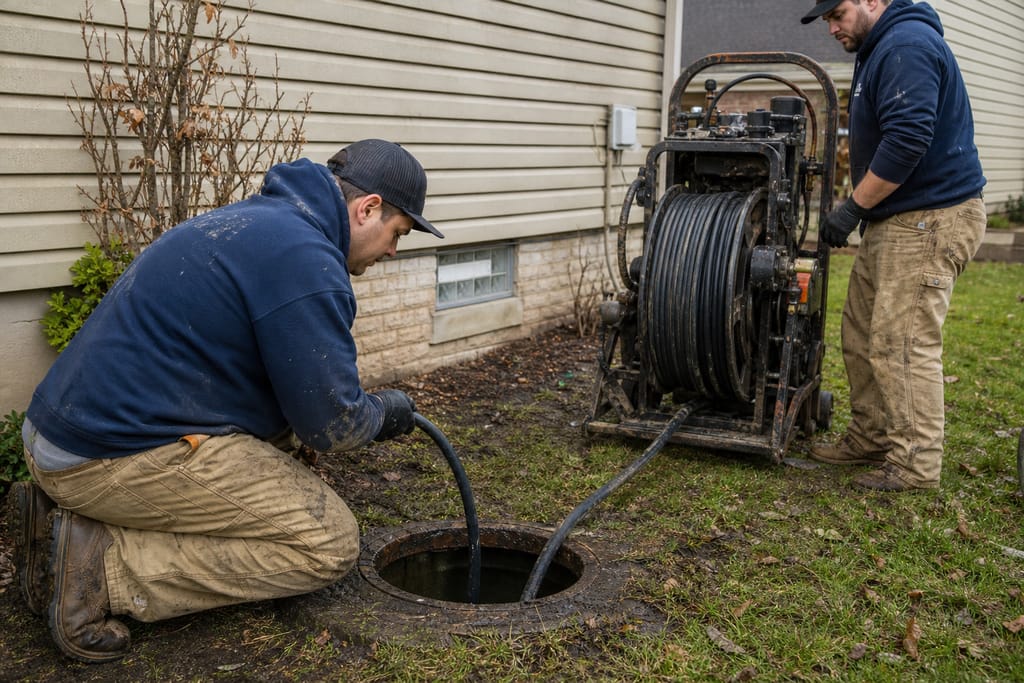 Step 1
Pipe Cleaning
The existing pipe is thoroughly cleaned to remove debris and prepare the surface for lining.
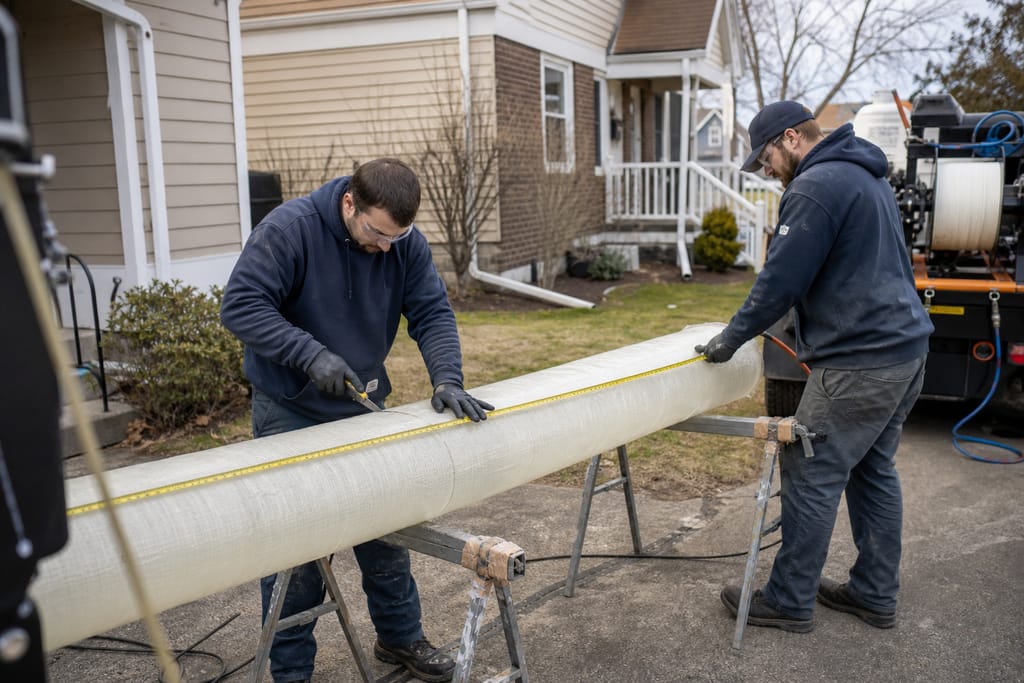 Step 2
Liner Measurement
Precise measurements ensure the liner fits the exact length and diameter of the pipe.
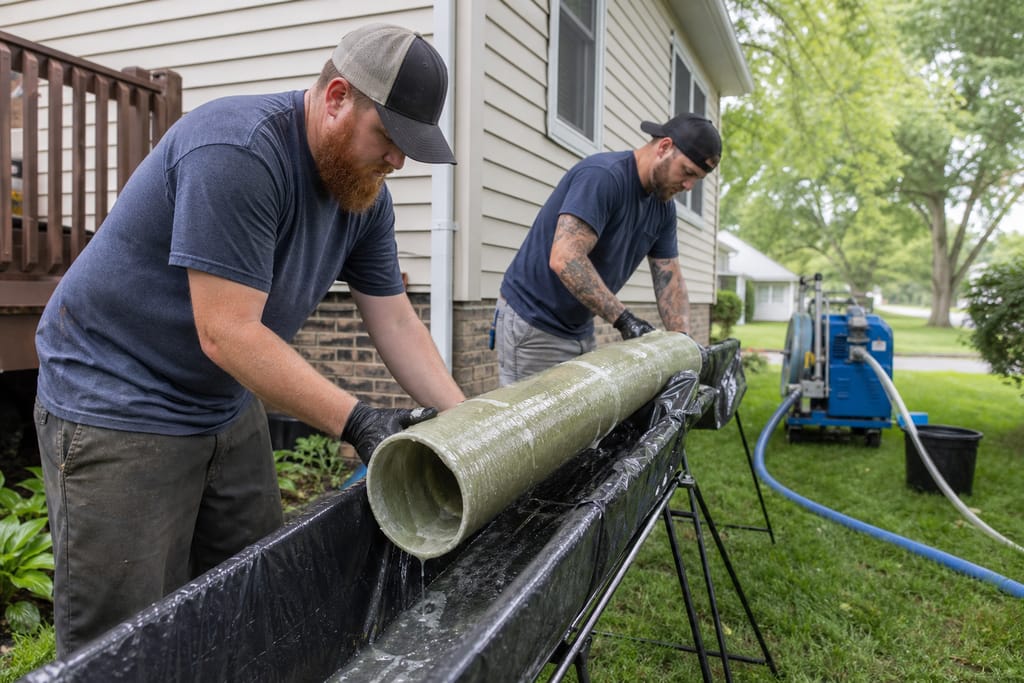 Step 3
Resin Saturation
The liner is saturated with resin to prepare it for insertion and curing.
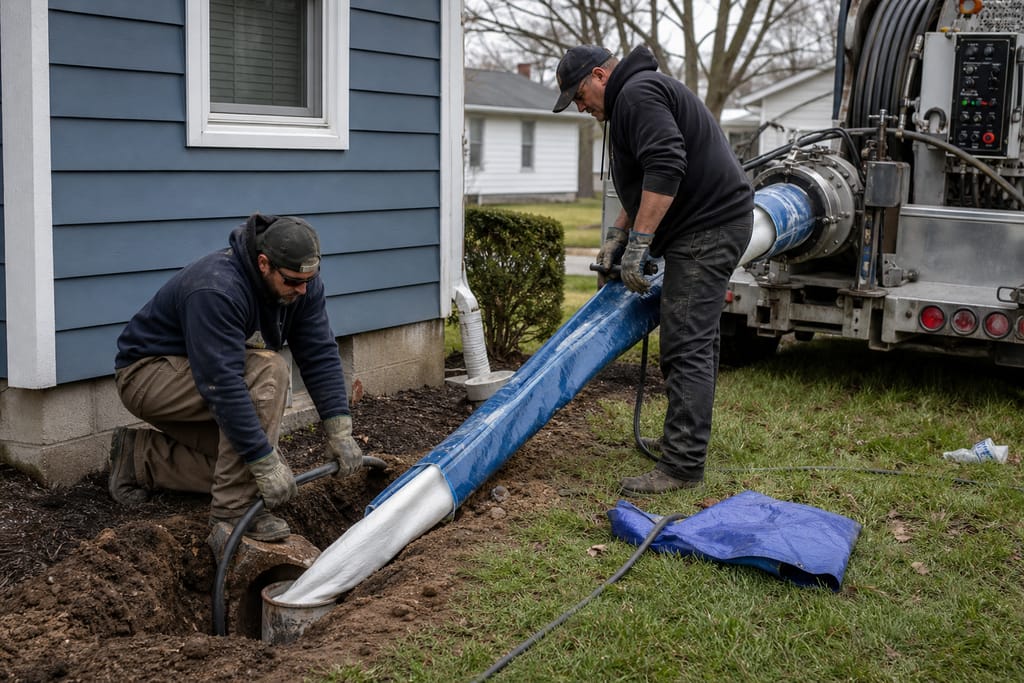 Step 4
Liner Insertion
The saturated liner is inserted into the host pipe using air or water pressure.
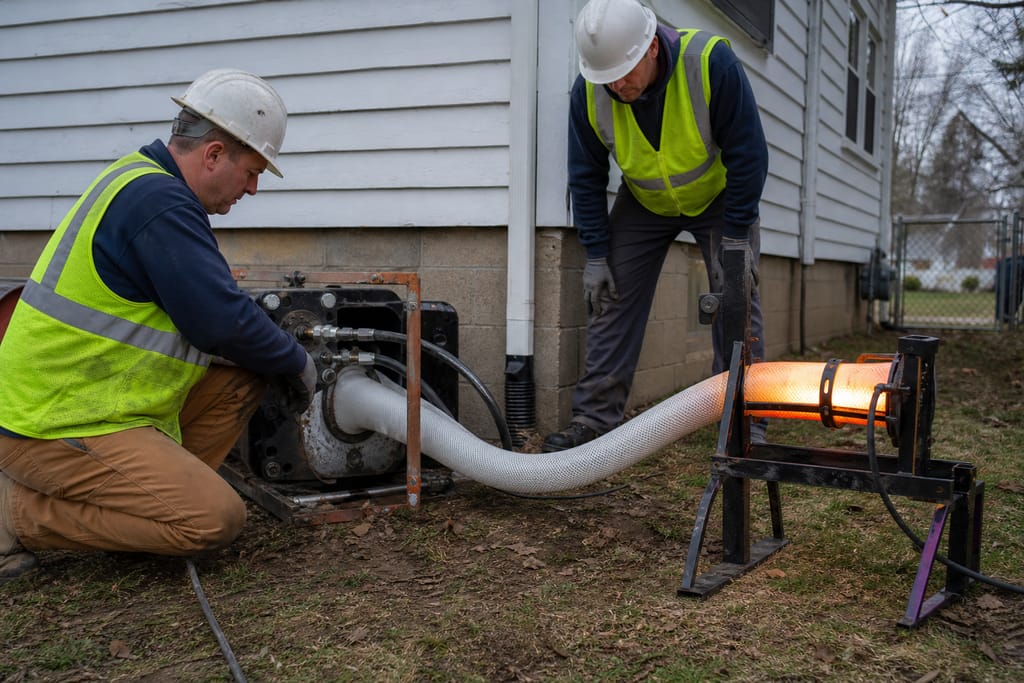 Step 5
Curing Process
Heat, UV light, or ambient curing hardens the liner into a solid new pipe wall.
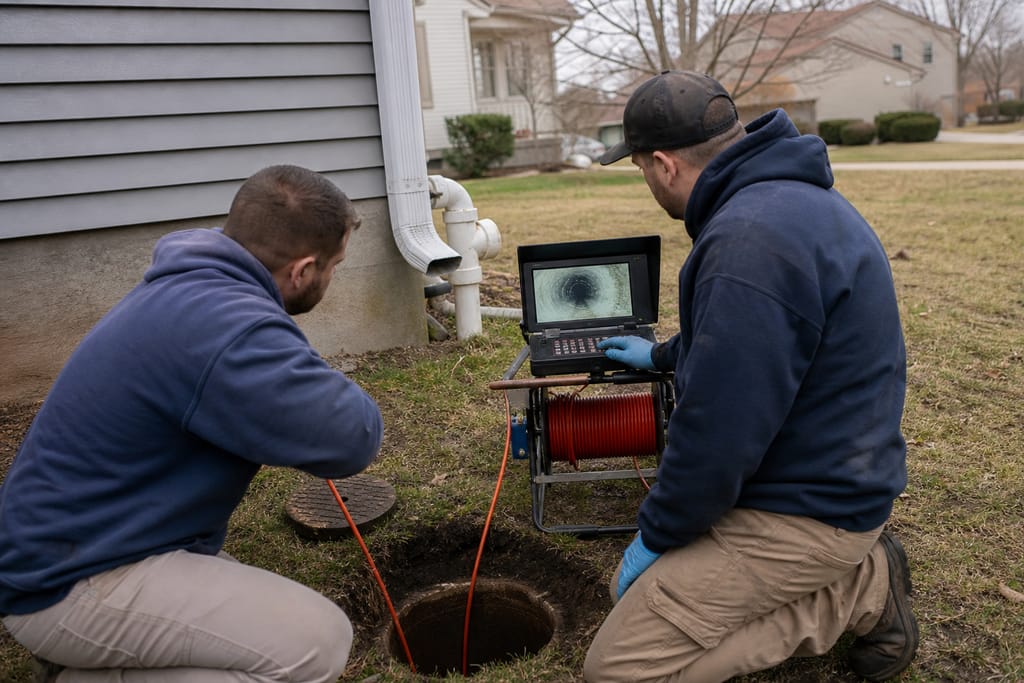 Step 6
Final Inspection
A camera inspection confirms the cured liner is smooth and properly bonded.
Materials
Materials and methods for CIPP Pipe Lining
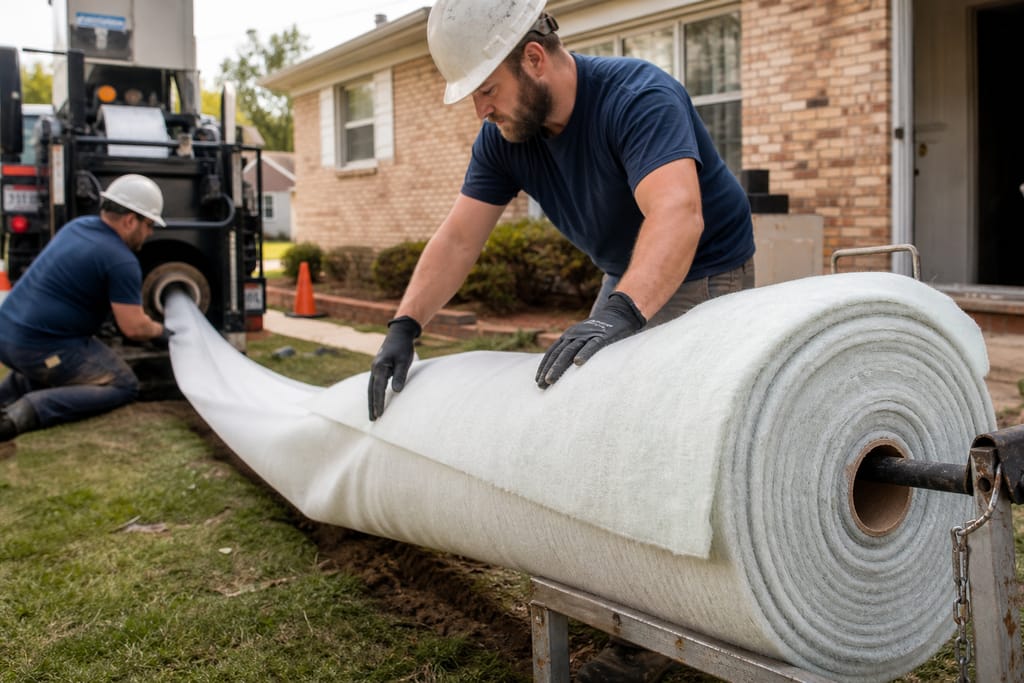
Felt Liner Tubes
Felt-based tubes serve as the structural base, holding up well against the root pressure common under Forest Park's older tree-lined lots.
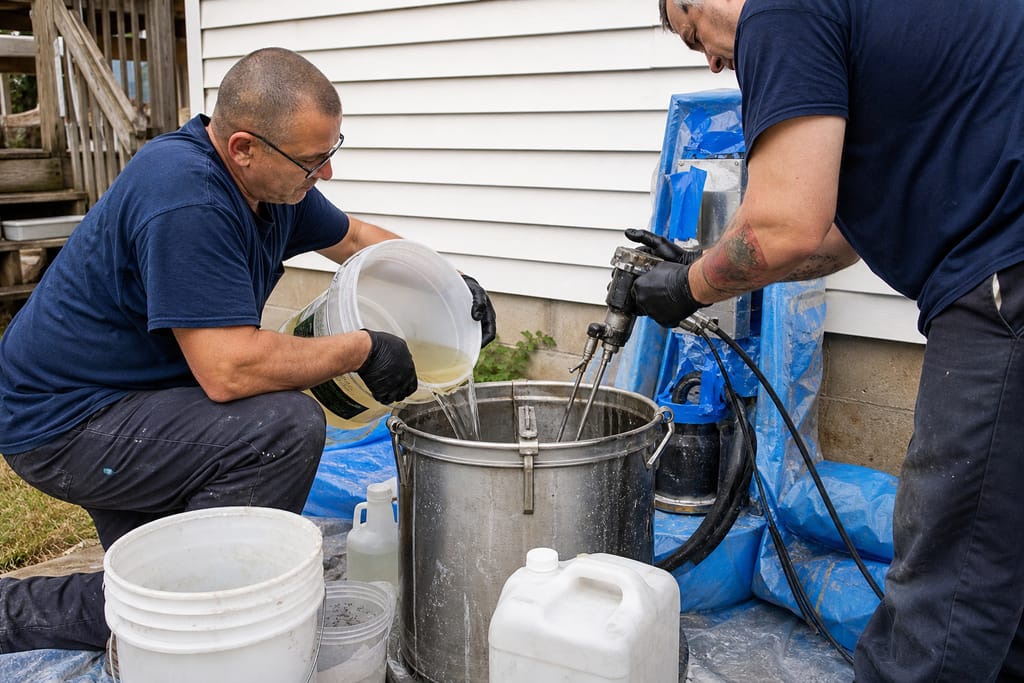
Epoxy Resin Blends
Specially formulated resin blends provide strength once cured, standing up to decades more root activity.
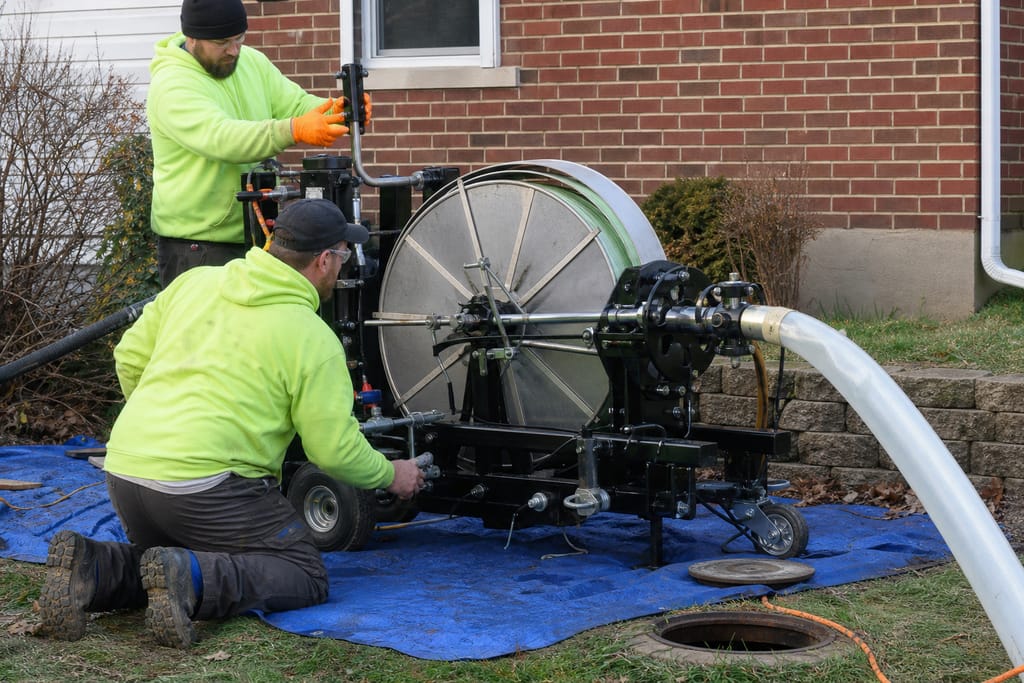
Inversion Equipment
Inversion drums turn the liner inside out during install, useful for handling the bends in original clay runs.
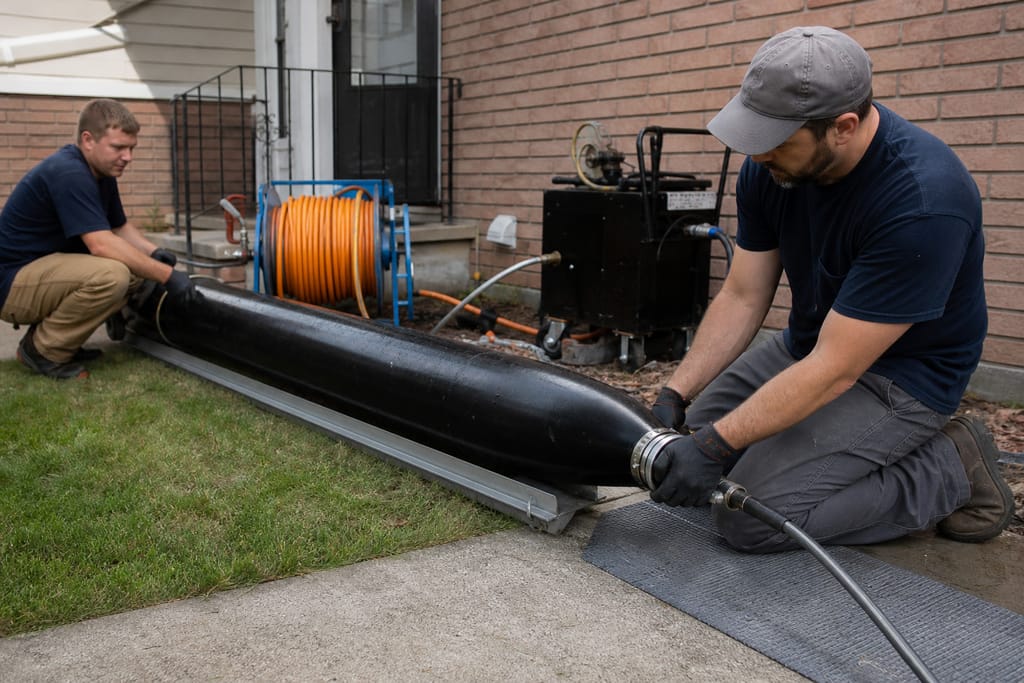
Calibration Tubes
Calibration tubes press the liner firmly against pipe walls, important where joints have shifted from age.
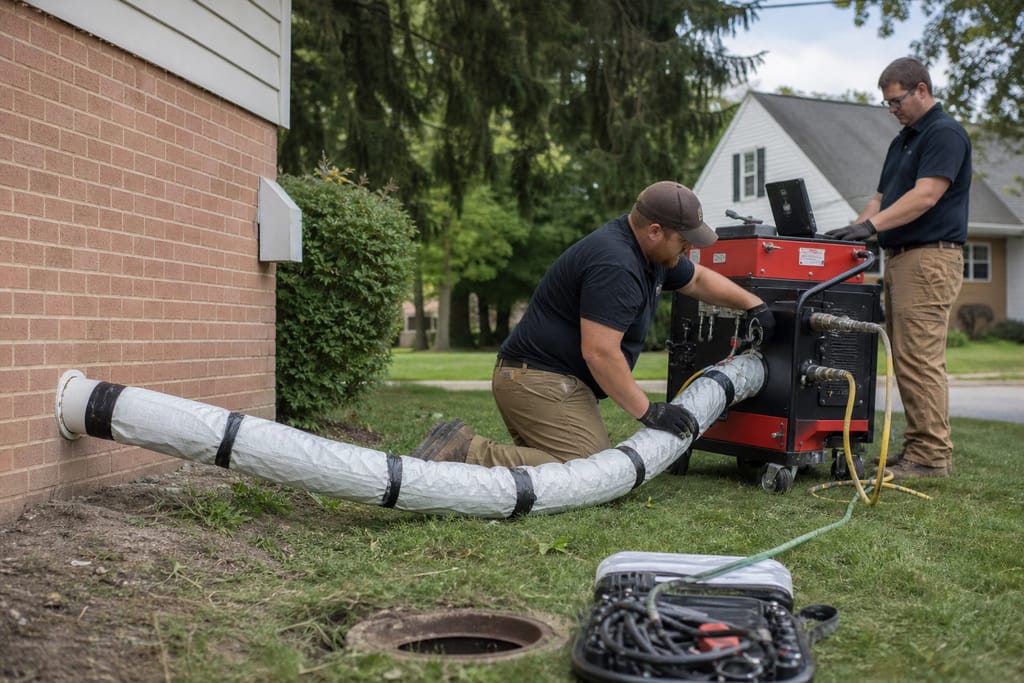
Heat Curing Units
Heat sources speed up resin curing so most jobs wrap in a single visit.
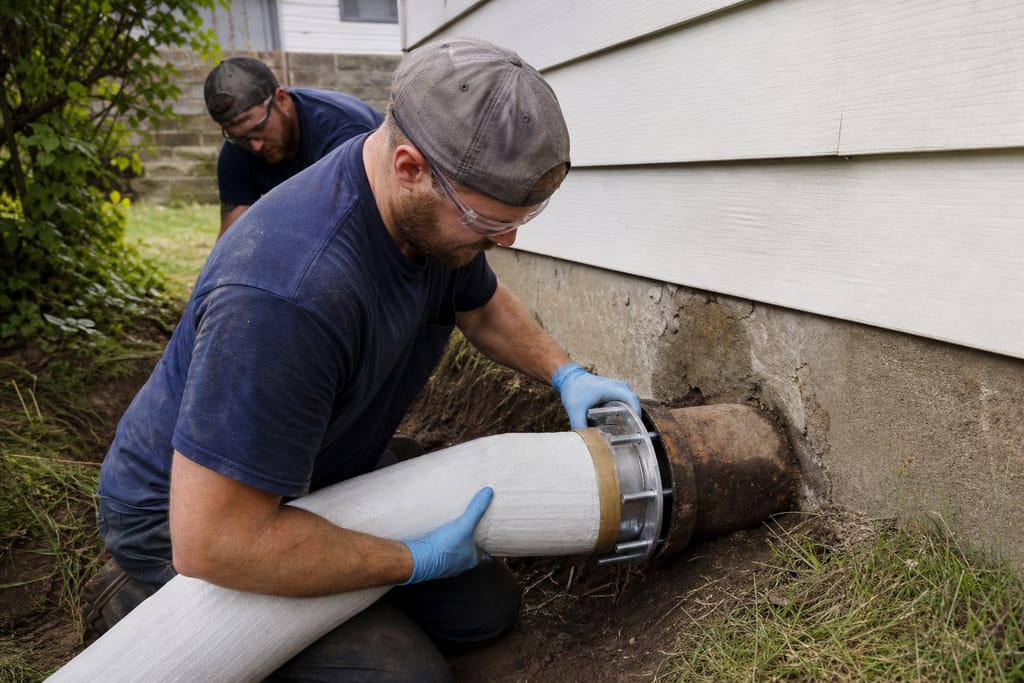
End Seal Fittings
Finishing fittings create a clean, watertight transition at each end of the new liner.
Questions on materials?
Get a Free EstimateBefore & after
Before and after CIPP Pipe Lining
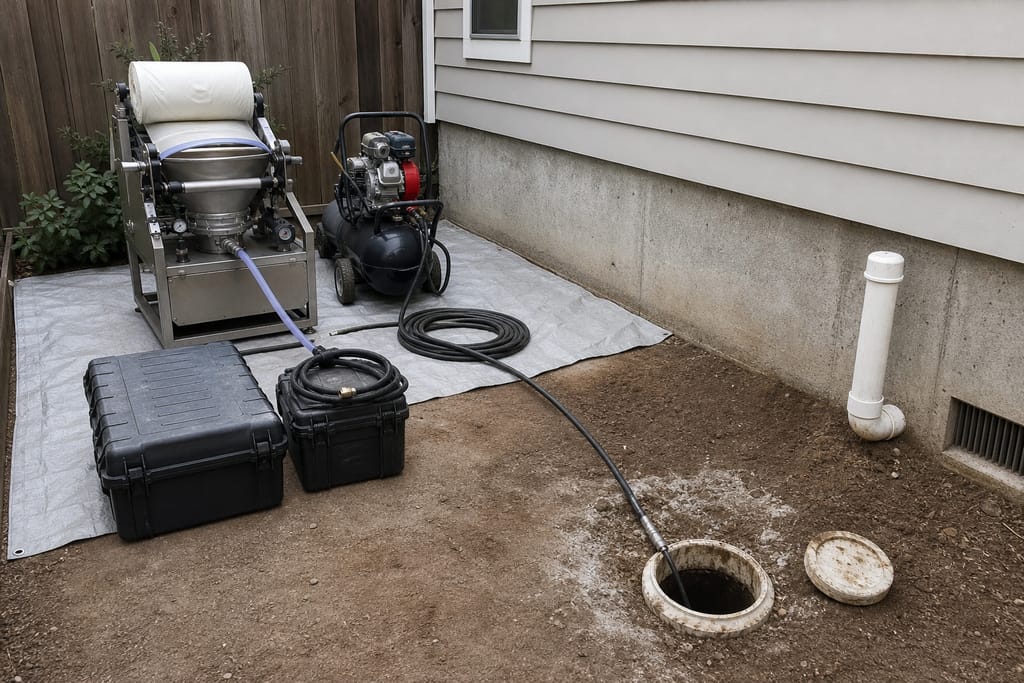
Before 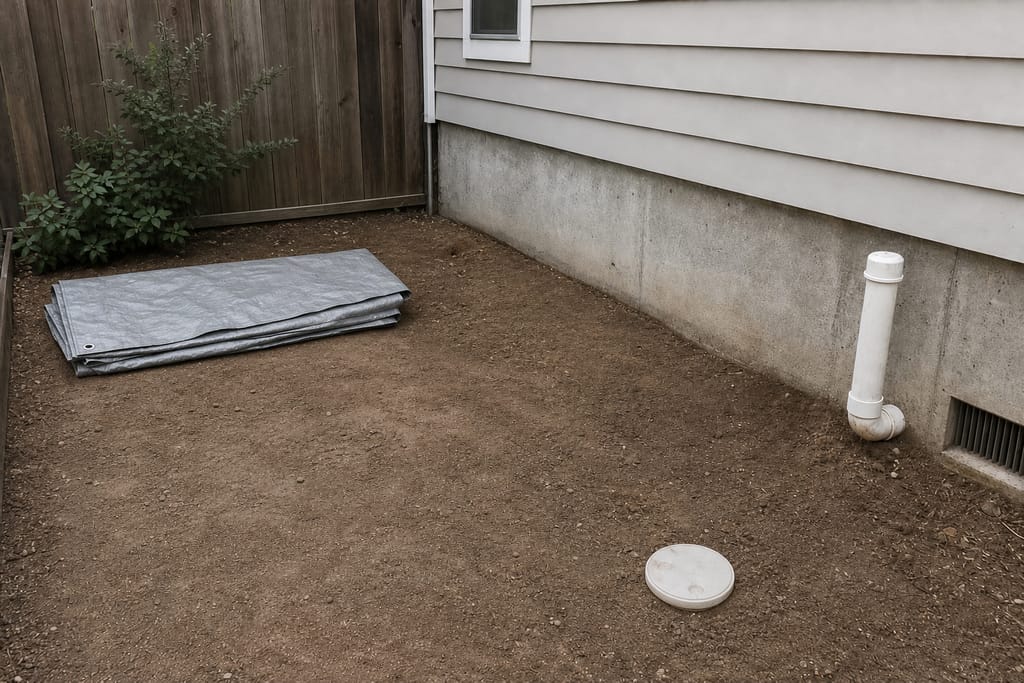
After
When to call
When to call for CIPP Pipe Lining
- Roots keep coming back in the same clay section every 6 to 12 months, even after cutting.
- A camera inspection shows cracked but structurally intact pipe, not a collapse.
- You want a fix that doesn't require tearing up mature landscaping.
- Call +1 (567) 412-2388 or request a free estimate to get a camera pass scheduled.
Seeing warning signs?
Get a Free EstimateFAQs
CIPP Pipe Lining FAQs
How long does CIPP pipe lining actually last?
A properly cured liner typically holds up for decades, since it forms a new structural wall rather than patching the old one.
Do tree roots come back after lining?
Roots can't re-enter through a sealed, smooth liner the way they could through an old cracked joint, which is the main reason lining is chosen over repeat root cutting.
How much does CIPP pipe lining cost in Forest Park?
Pricing depends on pipe diameter, length, and the number of reconnections needed, generally running higher than a spot patch but less than full replacement.
How long does the install take?
Most residential lining jobs complete in a single day, including cure time.
Do I need a permit?
Usually yes, since lining work ties into the lateral connection that's typically inspected.
Is DIY lining possible?
No. Resin cure and liner inversion require pro-grade equipment and controlled timing that isn't available at a rental counter.
What's the difference between lining and pipe bursting?
Lining works inside an intact pipe. Bursting replaces a pipe that's collapsed or too far gone to line.
More services
Other Trenchless Sewer Repair services
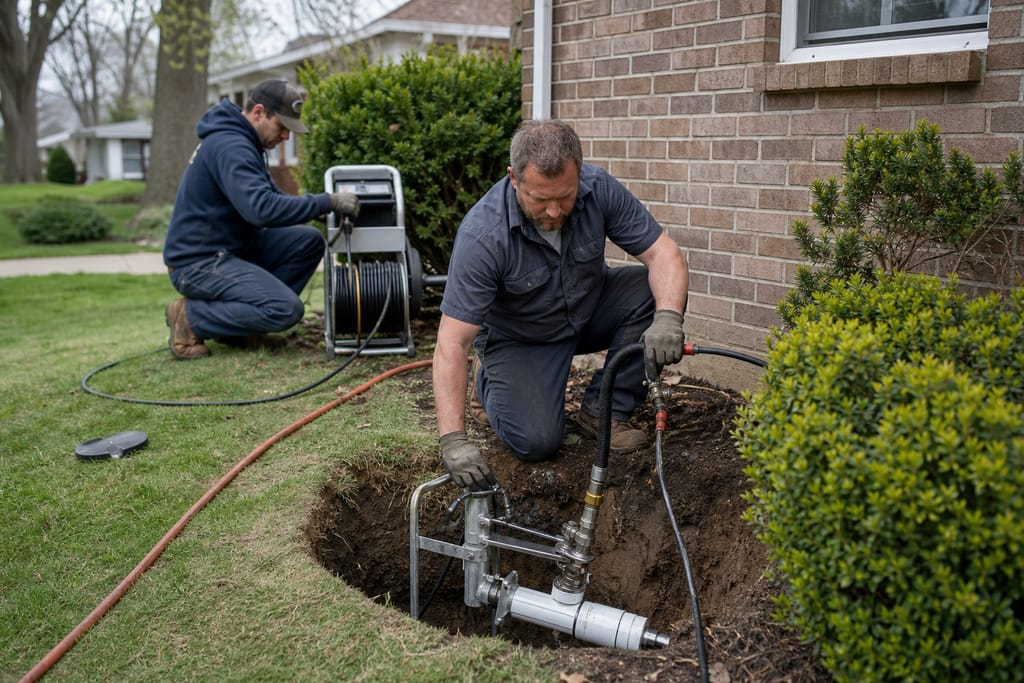
Trenchless Sewer Repair
Trenchless sewer repair in Forest Park, OH. CIPP lining and pipe bursting fix a failing line without digging up the yard. Free estimates.
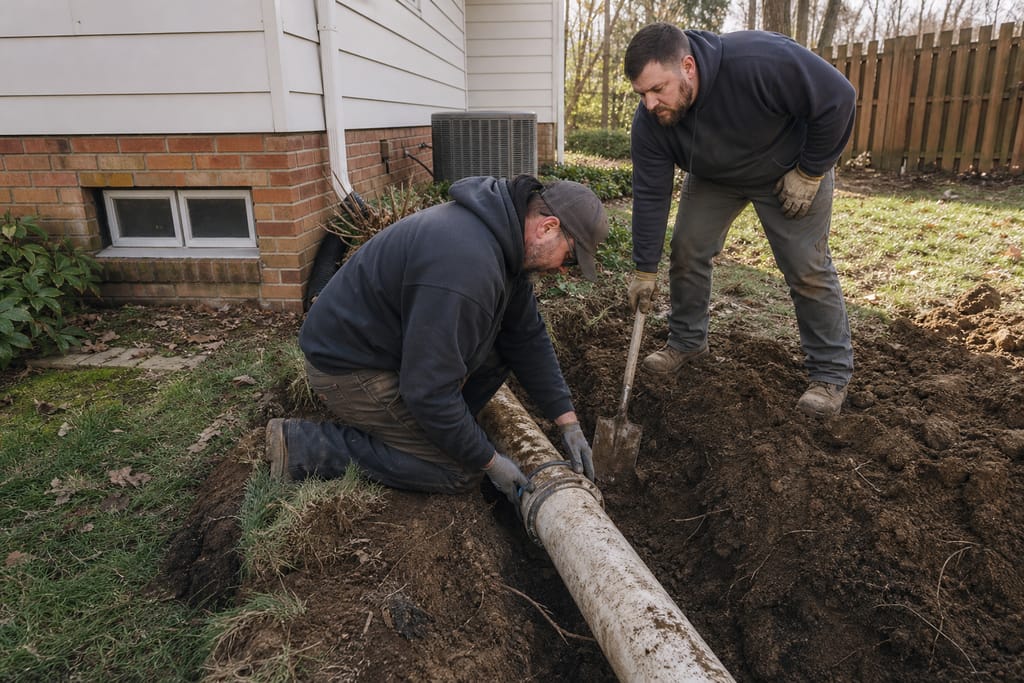
Sewer Line Repair
Sewer line repair in Forest Park, OH for localized cracks and joint failures. Camera-located spot fixes. Free estimates, no full yard dig.
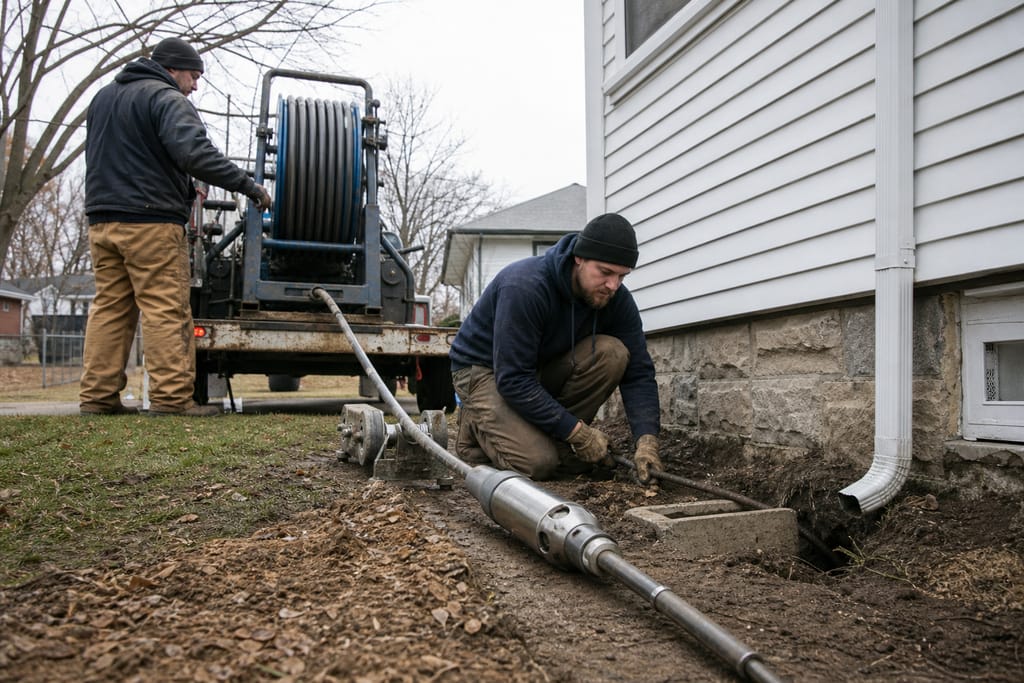
Pipe Bursting
Pipe bursting in Forest Park, OH replaces a collapsed sewer lateral without open trenching. Free estimates, no-dig installation.
Ask about CIPP Pipe Lining
Tell us about the project and how to reach you.